Facing a felony charge in California can be overwhelming, especially when you’re unfamiliar with the steps of the legal process. One of the most critical early stages of a felony case is the preliminary hearing. If you or a loved one has been charged with a felony, understanding this key hearing can help you prepare and protect your rights. Below, we break down what happens during a preliminary hearing, why it’s important, and what you can expect before, during, and after the process.
What Is a Preliminary Hearing and Its Purpose?
A preliminary hearing, also referred to as a “probable cause hearing,” is a legal proceeding that takes place after a defendant has been charged with a felony but before the case proceeds to trial. Its primary purpose is to determine whether there is enough evidence to require the defendant to stand trial.
During this hearing, the prosecution must present enough evidence to convince the judge that there is probable cause to believe the defendant committed the alleged crime. Probable cause does not require proof beyond a reasonable doubt—it is a lower standard used to assess whether the case should move forward in the court system. If the judge determines there is insufficient evidence, the charge can be dismissed at this stage, potentially sparing the defendant from a full trial.
What Happens During a Preliminary Hearing?
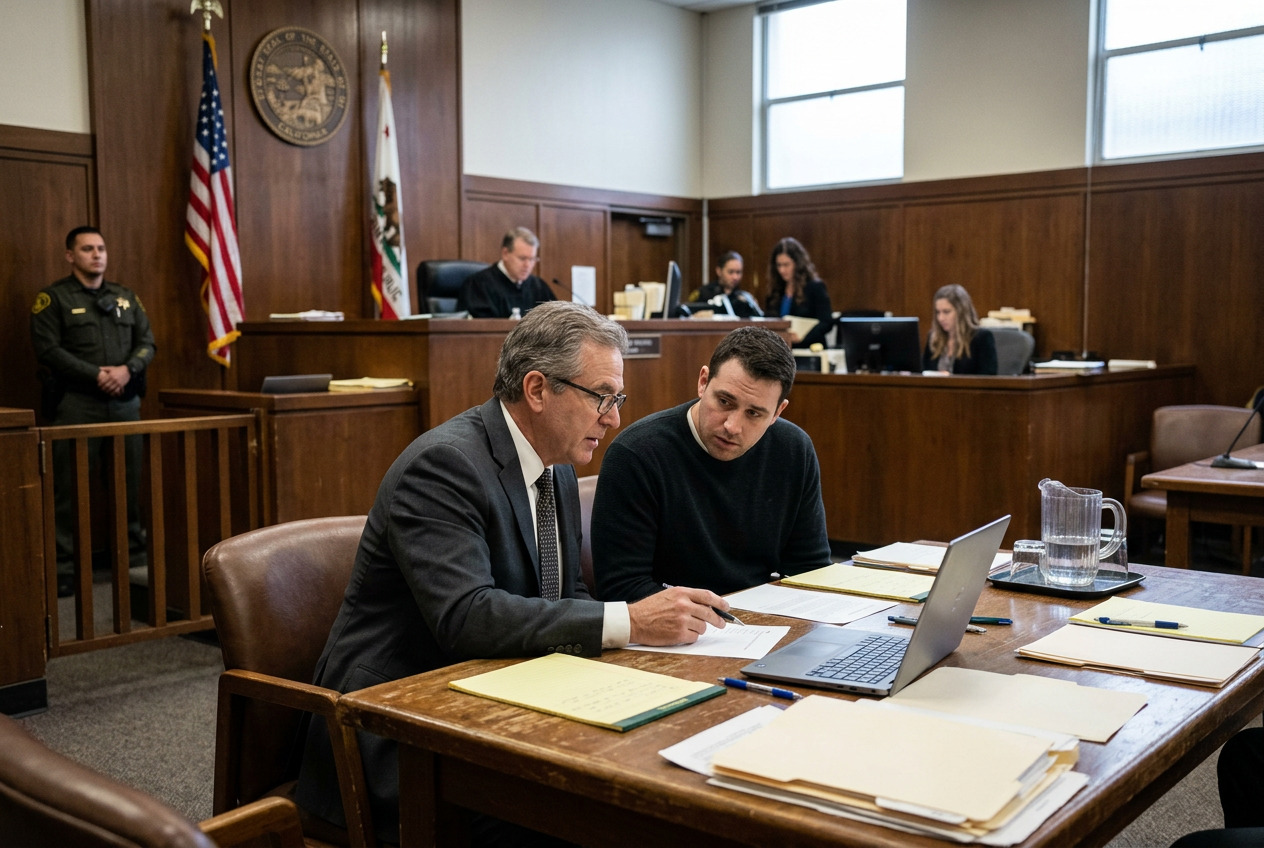
A preliminary hearing is less formal than a trial but still follows a structured process. Here are some of the typical events that occur:
1. Presentation of Evidence by the Prosecution
The burden is on the prosecution to present evidence to establish probable cause. This may include testimony from law enforcement officers, expert witnesses, or victims. Evidence such as reports, surveillance footage, or physical objects may also be introduced.
2. Witness Testimony and Cross-Examination
Witnesses called by the prosecution may testify about their knowledge of events related to the alleged crime. The defense attorney has the right to cross-examine these witnesses to challenge the credibility of their statements, seek inconsistencies, or expose weaknesses in the prosecution’s case.
3. Defense Counsel’s Role
Although the defense does not need to present evidence at this stage, defense counsel plays a critical role in questioning witnesses, raising objections to inadmissible evidence, and identifying procedural or evidentiary flaws. By doing so, the defense can weaken the prosecution’s case before it advances further.
4. Judge’s Evaluation
Unlike a jury trial, the judge serves as the sole decision-maker during a preliminary hearing. The judge evaluates whether the prosecution has met the requisite standard of probable cause. It’s important to note that the judge does not determine innocence or guilt at this stage.
The Prosecution’s Burden of Proof
At this stage, the prosecution must prove there is sufficient evidence to move the case forward to trial. However, the standard of proof is not as high as it would be during a trial. Probable cause simply means there is a “reasonable basis” to believe a crime was committed and that the defendant was involved. It is far less stringent than proving guilt beyond a reasonable doubt, which is required for a conviction at trial.
For the defendant, this distinction is important. Evidence that might seem compelling at a preliminary hearing may not necessarily be enough to secure a conviction later. For this reason, it’s critical to have skilled legal representation to expose any gaps in the prosecution’s case.
The Judge’s Role in the Preliminary Hearing
During a preliminary hearing, the judge acts as the gatekeeper of the judicial process. Their primary responsibility is to assess the evidence presented by the prosecution and decide whether it meets the probable cause standard. After hearing the evidence and arguments, the judge has three main options:
- Hold the Defendant to Answer: If probable cause is established, the case is approved to proceed to trial.
- Dismiss the Charges: If the evidence is insufficient, the judge can dismiss the charges, effectively ending the criminal case at this stage.
- Reduce the Charges: If appropriate, the judge may reduce the charges from a felony to a misdemeanor.
This stage can have a significant impact on the trajectory of a case, making it crucial for the defense to present a thorough and well-prepared argument.
How the Defense Challenges the Prosecution’s Case
The preliminary hearing offers the defense an opportunity to scrutinize the prosecution’s evidence and begin laying the groundwork for a future trial strategy. A knowledgeable attorney may:
- Question whether the prosecution has met the burden of proof for probable cause.
- Highlight inconsistencies in witness testimony.
- Challenge the legality of evidence, such as whether it was obtained through an unconstitutional search or seizure.
- Cross-examine witnesses to reveal bias, credibility issues, or contradictions.
- Advocate for the dismissal or reduction of charges when appropriate.
An experienced defense attorney also ensures that the defendant’s legal rights are protected throughout the preliminary hearing process, which is critical to building a robust defense.
Why the Preliminary Hearing Matters
While the preliminary hearing itself is not a trial, its outcome can set the tone for the rest of the case. A dismissal at this stage spares the defendant further legal proceedings, while a decision to move forward gives both sides insight into the strength of the case. For defendants who proceed to trial, the hearing also provides an early glimpse into the prosecution’s strategy and evidence.
By understanding the purpose, process, and stakes of a preliminary hearing, defendants and their families can better prepare for what lies ahead. Equally important is having an experienced legal advocate who knows how to protect your rights and fight for the best possible outcome.
Need Legal Assistance in Southern California? Basseliz Law Group Is Here To Help
Whether it’s family law, criminal law, or immigration, at Basseliz Law Group, we have made it our mission to help you navigate the legal process with confidence.
From our offices in Riverside, California, we serve clients from all over Southern California, including Moreno Valley, Menifee, Murrieta, Pomona, San Bernardino, and Riverside County. Contact us today at 951-389-0021 or send an email to frontdesk@basselizlaw.com.