


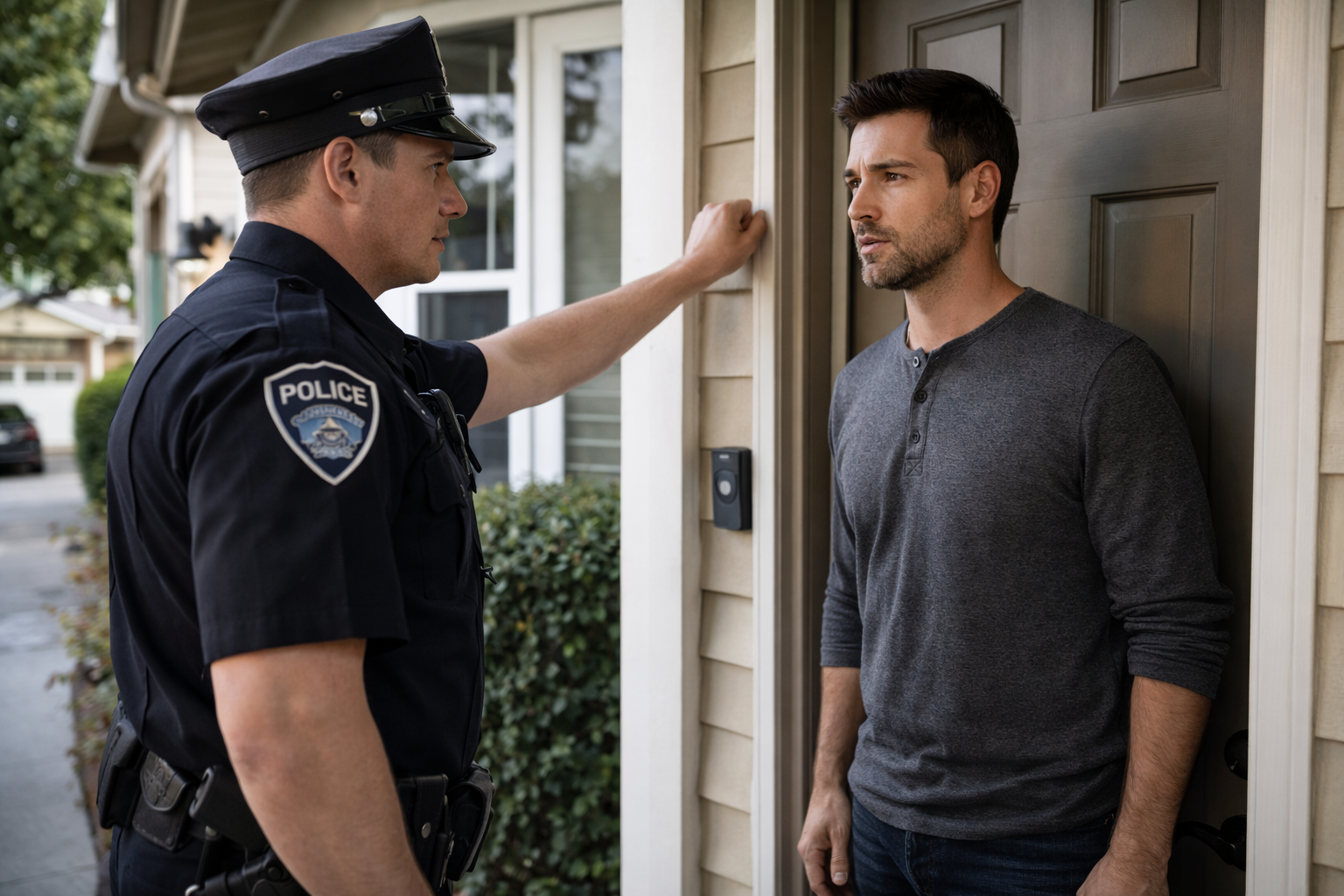
The question of whether the police can search your car or home without a warrant is one of the most important topics in criminal law. For individuals and families, especially immigrant communities, understanding your legal rights is essential for protecting your privacy and ensuring justice. While police officers do have authority under specific circumstances, there are clear limitations on when and how they can conduct a search. Here’s what you need to know to stay informed and prepared.
The Fourth Amendment and Your Right to Privacy
The Fourth Amendment of the United States Constitution protects individuals from unreasonable searches and seizures. Essentially, this means that law enforcement must have a valid warrant issued by a judge before entering or searching your home, vehicle, or personal property. However, there are exceptions to this rule, and understanding those exceptions can help clarify what is and isn’t allowed.
Police officers need to demonstrate probable cause to obtain a warrant. This is a legal standard that requires evidence pointing to a reasonable likelihood that a crime has been committed. Without probable cause, a search warrant will not be granted.
Can the Police Search Your Home Without a Warrant?
Under most circumstances, police cannot search your home without a warrant. Your home is considered your most protected space under the law. However, there are specific scenarios where officers may enter your property even without prior approval from a judge, including:
- Exigent Circumstances
If law enforcement believes that waiting for a warrant would put someone’s life in danger, lead to the destruction of evidence, or allow a suspect to escape, they may enter without permission. For example, if an officer hears screaming or sees evidence of an emergency, they can enter immediately. - Consent is Given
If you or another legal resident of the home give the police explicit permission to enter and search the premises, they can legally do so. It’s important to know you have the right to refuse this request, and consent must be willingly given — not coerced. - Arrests Within the Home
If police have lawfully arrested someone inside your home, they may search the area within the immediate reach of the person arrested. This is known as a search incident to arrest and is limited in scope.
It’s crucial to remember that courts often examine these situations closely to determine whether the search was justified.
Warrantless Car Searches Explained
While your home has the highest level of privacy protection, vehicles are treated differently under the law. Police officers can conduct a car search without a warrant in several circumstances:
- Probable Cause
If police have probable cause to believe your car contains evidence of a crime, they can search the vehicle. For example, the smell of illegal drugs or visible contraband could justify a search. - Search Incident to Arrest
If you are arrested, police may search your car’s immediate area to ensure officer safety or preserve evidence. - Impound Inventory
If your vehicle is impounded, the police may inspect it as part of an inventory search. This process ensures all items in the vehicle are documented. - Consent is Given
Similar to home searches, officers can conduct a search if you voluntarily authorize them. You have the right to deny consent, and officers must respect that decision unless another legal exception applies.
What Should You Do During a Stop or Search?
Knowing your rights and responding calmly can make a significant difference if you are stopped by the police or if they attempt to conduct a search. Follow these steps to protect yourself legally:
- Stay Calm and Respectful: Being agitated or confrontational can escalate the situation unnecessarily.
- Ask for the Warrant: If officers want to search your home, politely ask to see a warrant. Without one, you have the right to deny access unless an exception applies.
- Do Not Consent Without Understanding: If you’re asked for permission, take the time to think before consenting. You can respectfully decline.
- Document the Interaction: If possible, take note of badge numbers, names, and details of the encounter. If your rights were violated, this information can be vital for your attorney.
Frequently Asked Questions
What Is Probable Cause?
Probable cause means that police have sufficient reason, based on facts or evidence, to believe a crime has occurred. This legal standard applies to requesting warrants and performing certain warrantless searches.
Can I Refuse a Search?
Yes! You have the right to refuse a search if police lack a warrant or legal justification. Declining consent does not provide officers with grounds to detain you further or use force.
What Should I Do if My Rights Are Violated?
If you feel your rights have been violated during a police search, contact an attorney immediately. An experienced lawyer can evaluate the situation and help protect your legal rights.
Protect Your Rights with Knowledge
Understanding your legal rights can prevent unnecessary searches and ensure that you remain protected under the law. Whether you’re stopped while driving or approached by law enforcement at your home, staying informed is your best defense.
Need Legal Assistance in Southern California? Basseliz Law Group is Here To Help
Whether it’s family law, criminal law, or immigration, at Basseliz Law Group, we have made it our mission to help you navigate the legal process with confidence. From our offices in Riverside, California, we serve clients from all over Southern California, including Moreno Valley, Menifee, Murrieta, Pomona, San Bernardino, and Riverside County. Contact us today at 951-389-0021 or send an email to frontdesk@basselizlaw.com.