

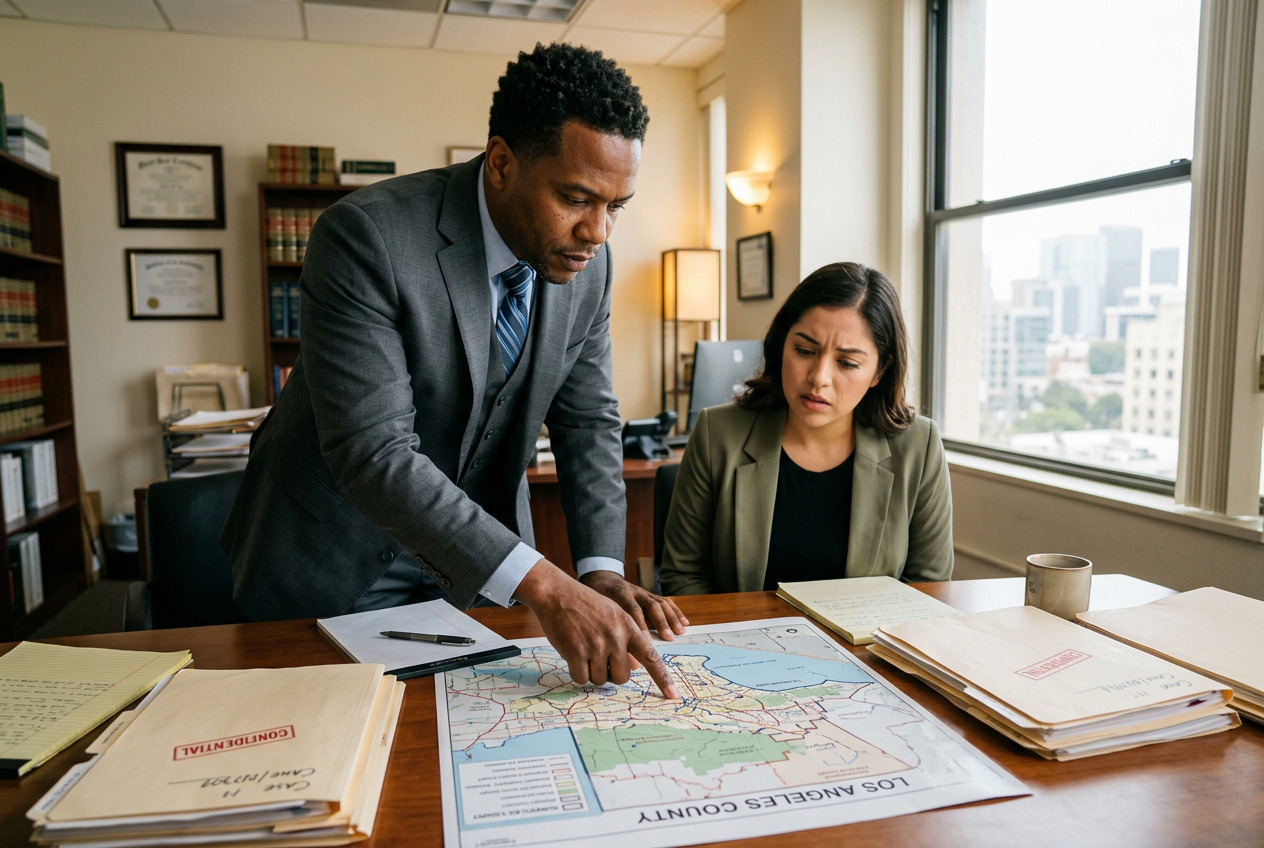
A multi-county criminal case can involve alleged conduct, witnesses, evidence, or investigative activity connected to more than one California jurisdiction. Those connections may affect where charges are filed, which agencies participate, where hearings occur, and how a defense team coordinates the case.
The presence of several counties does not mean that every county will necessarily file a separate case. Jurisdiction and venue depend on the allegations and applicable law, and the procedural path can change as the facts become clearer.
Jurisdiction and Venue Serve Different Questions
Jurisdiction generally concerns a court’s legal authority to hear a type of matter, while venue addresses the proper geographic location for the proceeding. In a case involving conduct across county lines, the prosecution and defense may disagree about which location is legally appropriate.
The analysis can depend on where an act allegedly occurred, where its effects were experienced, or how several events are connected. Small factual differences can influence the result.
More Than One Agency May Participate
Local police departments, county agencies, or other investigators may share information when an investigation crosses boundaries. Reports and evidence can be created in different locations, and witnesses may live far from the court handling the case.
This can complicate evidence collection and scheduling. Counsel may need to identify which agency obtained each item, how information was transferred, and whether related proceedings exist elsewhere.
Separate Filings Can Create Additional Concerns
When more than one case or filing exists, court dates, release conditions, and plea discussions may interact. A decision in one county can affect strategy in another, even when the matters are not identical. Missing a hearing or misunderstanding an order in either location can create additional problems.
Defendants should provide counsel with documents from every county and disclose all pending matters. Coordinated review helps prevent one calendar or condition from being overlooked.
Location Affects the Practical Burden
The county handling a case can influence travel time, access to counsel, witness logistics, and the ability to attend repeated hearings. For defendants living in Riverside or surrounding communities, a distant proceeding may create work, transportation, and family challenges.
Practical inconvenience alone does not decide venue, but it is important for planning. Confirm whether personal appearance is required and allow time for changing calendars.
Organize a Multi County Case
Keep a separate set of notices, case numbers, agency reports, and release orders for each jurisdiction. Maintain one master calendar of appearances and deadlines. Tell counsel about every related investigation, contact, and court order. Do not assume that permission or a result in one county automatically controls another.
Ask who is responsible for communicating with each court and whether any request concerning venue or coordination is appropriate. Clear records reduce the risk of conflicting instructions.
Get Advice Based on the Full Picture
A criminal matter that touches multiple California counties can raise procedural and practical questions beyond the underlying allegations. Reviewing every jurisdiction, filing, order, and deadline together helps defendants understand where the case may proceed and how to protect their position.
Need Legal Assistance in Southern California? Basseliz Law Group is Here To Help
Whether it’s family law, criminal law, or immigration, at Basseliz Law Group, we have made it our mission to help you navigate the legal process with confidence.
From our offices in Riverside, California, we serve clients from all over Southern California, including Moreno Valley, Menifee, Murrieta, Pomona, San Bernardino and Riverside County. Contact us today at 951-389-0021 or send an email frontdesk@basselizlaw.com